

Blog 2: The Athlete's Guide to Meniscus Injuries
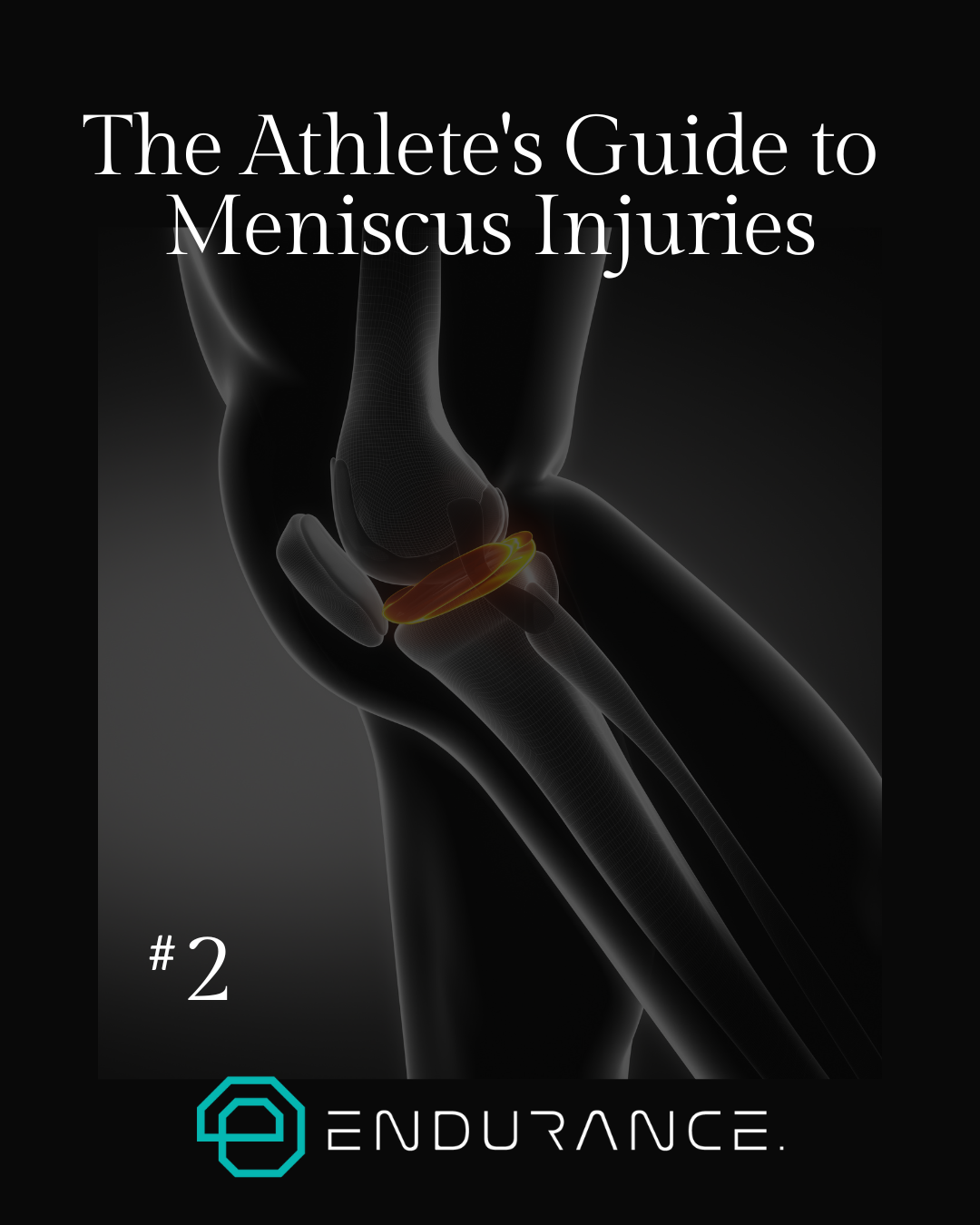
Part 2: Common Sports & Causes - Who Gets Meniscus Tears and Why
Welcome back for Part 2 of Endurance Therapeutics’ The Athletes Guide to Meniscus Injuries written by Dr. Keirstyn!
In this blog we are going to talk about the sports and athletes that have the highest risk of meniscus injuries. This will help you to figure out if you are one of these athletes and in later blogs you will learn how to decrease your risk of injuries and maintain longevity! So let’s jump right in!
Sports with Highest Meniscus Tear Risk
1. Basketball
Why: Cutting, pivoting, landing from jumps, quick directional changes
Mechanism: Foot plants, body rotates, knee twists under load
Common Pattern: Medial meniscus tears from cutting movements
2. Soccer
Why: Pivoting, kicking, tackling, rapid deceleration
Mechanism: Planting foot to change direction or kick while knee is flexed and rotating
Common Pattern: Traumatic tears in younger players, degenerative tears in older players
3. Football
Why: Contact injuries, cutting, tackling
Mechanism: Direct impact to knee or twisting while planted
Common Pattern: Often combined with ACL or MCL injuries
4. Hockey
Why: Quick pivots, skating stride mechanics, contact
Mechanism: Hard stops, cutting on ice, knee rotation under load
Common Pattern: Medial meniscus tears from skating mechanics
5. Volleyball
Why: Jumping, landing, lateral movements
Mechanism: Landing from jumps with knee rotation or valgus collapse
Common Pattern: Lateral meniscus tears from landing forces
6. Running (especially trail running)
Why: Repetitive loading, uneven terrain, fatigue-induced poor mechanics
Mechanism: Degenerative tears from cumulative stress, traumatic tears from missteps
Common Pattern: Degenerative horizontal tears in older runners
7. Weightlifting/CrossFit
Why: Deep squats under load, Olympic lifts
Mechanism: Extreme knee flexion with rotation or valgus stress
Common Pattern: Posterior horn tears from deep squatting
8. Tennis
Why: Pivoting, lunging, quick starts and stops
Mechanism: Planting and rotating on knee
Common Pattern: Traumatic tears from pivoting movements
Common Mechanisms of Injury
Traumatic (Acute) Tears:
The Classic Mechanism:
Foot is planted on ground
Knee is slightly bent
Body rotates or pivots
Twisting force exceeds meniscus tolerance
Tear occurs
Examples:
Basketball player pivots to change direction
Soccer player plants to kick
Skier catches an edge and knee twists
Volleyball player lands awkwardly from a jump
Degenerative (Chronic) Tears:
The Gradual Mechanism:
Years of repetitive loading (running, squatting, kneeling)
Meniscus tissue weakens over time
Collagen fibers break down
Minor movements create tears in already-weakened tissue
Examples:
Runner develops tear without specific injury
Middle-aged athlete gets tear from simple movement (standing up, stepping off curb)
Weightlifter tears meniscus during routine squat
Risk Factors for Meniscus Tears
Age:
Under 30: Mostly traumatic tears from sports
30-50: Mix of traumatic and degenerative
Over 50: Mostly degenerative tears
Previous Knee Injury:
ACL tear increases meniscus tear risk
Previous meniscus surgery increases re-tear risk
MCL injury often occurs with meniscus tear
Sport-Specific Mechanics:
Cutting and pivoting sports (highest risk)
Deep squatting under load
High-volume running (degenerative risk)
Biomechanical Factors:
Weak hip stabilizers (glutes) → knee valgus → meniscus stress
Poor landing mechanics (stiff-legged landings)
Limited ankle mobility → knee compensates
Knee hyperextension (places posterior horn under stress)
Training Errors:
Sudden increases in training volume
Inadequate recovery
Fatigue-induced poor mechanics
Playing through pain or instability
Symptoms of a Meniscus Tear
Acute Traumatic Tear:
Sharp pain at time of injury
Immediate or delayed swelling (within 24 hours)
Difficulty bearing weight
Feeling of "giving way" or instability
Locking or catching sensation (if displaced)
Degenerative Tear:
Gradual onset of pain (may not remember specific injury)
Mild to moderate swelling
Stiffness, especially after sitting
Pain with twisting movements
Catching or clicking (intermittent)
Location of Pain:
Medial meniscus tear: Inside (medial) knee joint line
Lateral meniscus tear: Outside (lateral) knee joint line
Pain worsens with: Squatting, twisting, kneeling, going up/down stairs
Red Flags (Seek Immediate Medical Attention):
Knee locked in bent position (unable to straighten fully)
Severe swelling developing within hours of injury
Complete inability to bear weight on the affected leg
Knee giving out repeatedly with instability
Signs of infection (extreme warmth, redness, fever)
If you're experiencing any of these symptoms — especially mechanical locking or severe instability — it's time to get assessed. Early intervention makes a significant difference in outcomes, and understanding what you're dealing with helps you make informed decisions about treatment.
Now that you know which sports create the highest risk and how meniscus tears happen, let's talk about what actually matters most: how to assess, treat, and prevent these injuries. That's where Endurance Therapeutics comes in!
Don't let knee pain sideline you. With the right approach, most knee issues are fixable — and preventable.
📍 Endurance Therapeutics | Oakville, Ontario
📞 905-288-7161 | 🔗 https://endurance.janeapp.com/#staff_member/1
Train smart. Move well. Stay healthy.