

Blog 3: Everything Golf ⛳
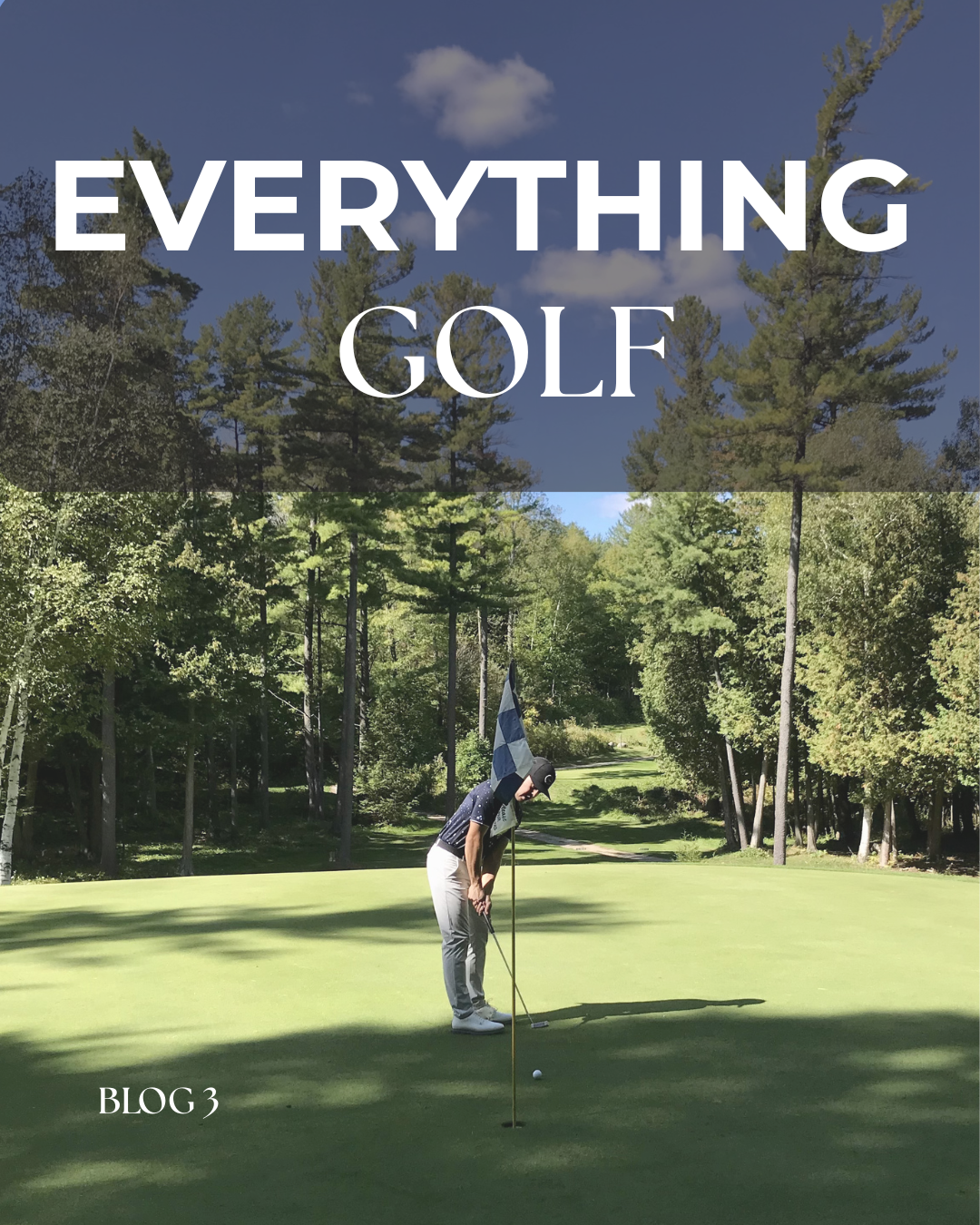
Part 3: Building Your Optimized Golf Body — The Off-Course Work That Protects Your Swing
Welcome back to Everything Golf. Dr. Keirstyn covered Parts 1 and 2 covered the biomechanical demands of the swing and the three injuries I see most in golfers. Now the practical part: what to actually do off the course to build a body that can handle those demands, round after round, season after season.
Most golfers practice their swing. Very few train their body for the demands the swing creates. That gap is where most golf injuries live.
Mobility First :The Non-Negotiables
Mobility restrictions are the root cause of most golf injuries. Before loading anything, these ranges of motion need to be in place:
Thoracic Rotation:
The single most important mobility target for golfers. Aim for at least 45 degrees of rotation in each direction with the hips fixed. Thread the needle, seated thoracic rotation, and foam roller thoracic extension are your go-to tools. Do this daily, not just before a round.
Hip Internal Rotation:
The lead hip needs adequate internal rotation to allow proper impact position. If it can't get there, the lumbar spine compensates. 90/90 hip stretches and pigeon pose variations address this directly.
Hip External Rotation:
The trail hip needs to externally rotate in the backswing. Restriction here limits shoulder turn and forces over-rotation through the low back.
Ankle Dorsiflexion:
Underrated in golfers. Restricted ankles affect weight transfer and force compensations up the entire chain. Simple calf stretching, PNF stretching and ankle mobility drills make a measurable difference.
Shoulder Rotation:
The ability to separate shoulder and hip rotation requires adequate shoulder mobility in both internal and external rotation. Sleeper stretches and cross-body stretches maintain this.
Strength Priorities for Golfers
The golf swing demands power generation, force transfer, and deceleration control. The strength work needs to reflect all three:
Glutes and Hip Stabilizers:
The foundation of a powerful and protected swing. Hip thrusts, single-leg Romanian deadlifts, lateral band walks, and clamshells. Strong glutes protect the lower back and generate the hip rotation force that keeps the arms from doing too much work.
Anti-Rotation Core:
The core's job in golf is to resist unwanted rotation while transferring force efficiently. Pallof press, dead bugs, and cable chops are far more golf-relevant than crunches or sit-ups.
Rotational Power:
Medicine ball rotational throws (against a wall or with a partner) train the specific movement pattern of the swing at a speed the nervous system recognizes. This is where strength transfers to performance.
Forearm and Wrist Loading:
Eccentric wrist curls, reverse curls, and pronation/supination work build the forearm tissue capacity that prevents golfer's elbow. Two sets, twice per week is enough — this is maintenance, not bodybuilding.
Scapular Stability:
For shoulder protection and efficient force transfer, the muscles that control the shoulder blade (lower trapezius, serratus anterior) need to be strong and responsive. Prone Y's and T's, wall slides, and cable pull-aparts.
Pre-Round Preparation — What Actually Works
The warm-up most golfers do: a few swings with a short iron, maybe a couple of putts, then straight to the first tee. The warm-up that protects the body:
5 minutes of light movement: walking, arm circles, leg swings, gentle trunk rotations to increase tissue temperature
Hip 90/90 rotations: 10 per side, slow and controlled
Thoracic rotation with a club across the shoulders: 10 per side in a golf posture
Hip hinge movements: 10 slow deadhinge-pattern movements to activate the posterior chain
Gradual swing progression: start with half swings and easy chips, build to full swings over 10 minutes before the first tee
This takes 15 minutes. It is the difference between playing loose and free versus spending the first six holes trying to find your swing while your back slowly tightens. To read my blog on Warm Ups click here!
Recovery Between Rounds
Golfers often underestimate cumulative fatigue, especially during busy seasons or golf trips with multiple rounds in consecutive days:
Soft tissue work on the forearms, glutes, and thoracic spine after each round. Foam rolling, lacrosse ball work or using a theragun on the areas that took the most load
Contrast temperature exposure that alternates hot and cold on the forearms is particularly effective for elbow tendon recovery
Sleep and nutrition. the basics that compound over a season. Adequate protein supports tissue repair; adequate sleep is when that repair actually happens
Up Next — The Mental Game and Smart Training Structure
Your body is being built for golf. Part 4 of Everything Golf looks at how to structure your practice and playing schedule intelligently — and how the mental side of golf connects directly to your injury risk and longevity in the sport. See you there.
———
Want to know exactly which mobility restrictions and strength gaps are limiting your swing and putting you at risk? A movement assessment tells you in one session. Reach out to book yours today!
📍 Endurance Therapeutics | Oakville, Ontario
📞 905-288-7161