

Blog 5: The Rotator Cuff Fix (The Final Blog)
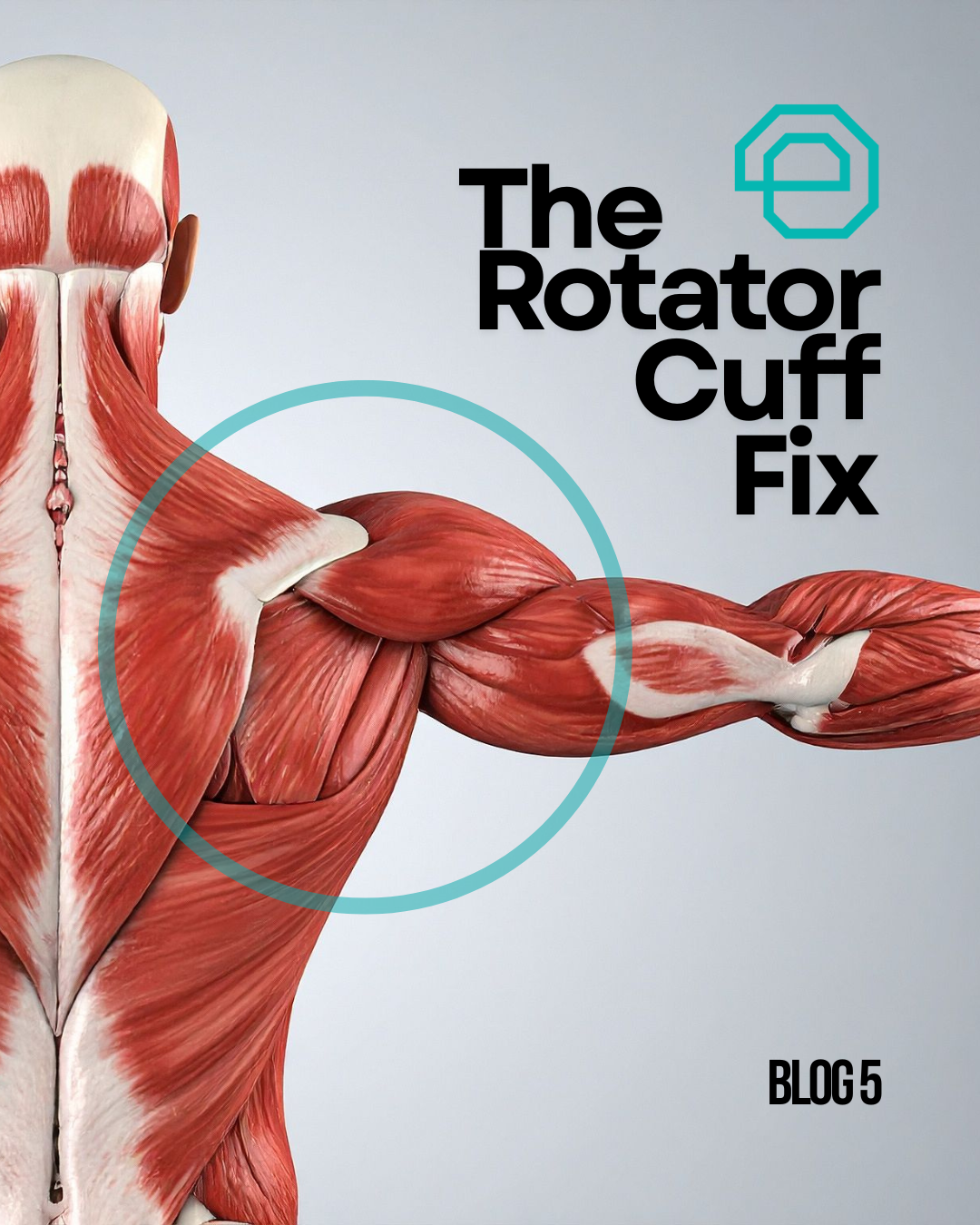
Part 5: Rotator Cuff Longevity - Staying Healthy & Pain-Free for Life
Welcome to the final part of our rotator cuff series! You've learned what the rotator cuff is, the types of injuries, how they develop, and how Dr. Keirstyn treats them. Now let's focus on the most important part: keeping your shoulders healthy for decades to come!
As your Oakville chiropractor, I can tell you that the athletes and active adults who stay healthy long-term aren't just the lucky ones—they're the ones who invest in prevention and maintenance.
The Prevention-First Mindset
Stop thinking of your rotator cuff like a lightbulb that either works or doesn't. Think of it like your teeth—you don't wait for cavities to take care of your teeth. You brush, floss, and get regular check-ups!
Your rotator cuff needs the same approach:
Regular maintenance (soft tissue work, strengthening)
Daily care (mobility work, proper posture)
Professional check-ups (periodic assessments)
Early intervention if problems develop
The Foundation: Long-Term Rotator Cuff Health
To keep your rotator cuff healthy for life, focus on these five pillars:
Pillar 1: Consistent Strength Training
Pillar 2: Daily Mobility & Flexibility Work
Pillar 3: Proper Movement Patterns & Posture
Pillar 4: Smart Training Load Management
Pillar 5: Regular Professional Maintenance
Pillar 6: Consistent Strength Training
This is non-negotiable for long-term shoulder health!
Pillar 1: The Rotator Cuff Strength Program (Do 3x per week):
Rotator Cuff Strengthening:
External rotation with resistance band
Internal rotation with resistance band
Prone I-Y-T raises (scapular strengthening)
Side-lying external rotation
Prone horizontal abduction
Scapular Strengthening:
Push-ups plus
Prone row variations
Band pull-aparts
Reverse flies
General Shoulder & Core Strength:
Planks and side planks
Dead bugs
Bird dogs
Modified crunches
Frequency: 3x per week for 20-30 minutes
Pillar 2: Daily Mobility & Flexibility Work
You don't need complicated stretching routines. Just 10 minutes daily keeps everything moving smoothly.
Daily Mobility Routine (10 minutes):
Morning (Upon waking):
Arm circles (forward and backward, 10 each)
Shoulder blade squeezes (15 reps)
Gentle arm swings across body
Neck rolls
After Activities:
Chest stretch against doorframe (30 seconds each side)
Shoulder rolls
Cross-body shoulder stretch (30 seconds each side)
Tricep stretch
Evening:
Child's pose (30 seconds, arms overhead)
Thread-the-needle stretch
Sleeper stretch for shoulder
Wall slides
The Rules:
Never bounce or force stretches
Breathe normally
Hold stretches for at least 20-30 seconds
Gentle tension, not pain
Consistency matters more than intensity
Pillar 3: Proper Movement Patterns & Posture
Posture Awareness:
Shoulders back and down (not hunched forward)
Chest open
Head aligned over shoulders
Core engaged
Check your posture frequently throughout the day
Desk Ergonomics (If You Work at a Desk):
Screen at eye level
Elbows at 90 degrees
Feet flat on floor
Frequent position changes
Regular stretching breaks
Pillar 4: Smart Training Load Management
The 10% Rule:
Don't increase weekly training volume by more than 10% per week
Applies to all upper body loading
Gradual progression prevents overuse injuries
The Hard-Easy Principle:
Follow every hard workout with an easy one
Your tissues need time to recover
Prevents accumulation of training stress
Listen to Your Body:
If you're consistently sore or tired, back off
Persistent soreness is a warning sign
Don't "push through" persistent pain
Be honest with yourself -- while working out you perceive less pain (always take that into consideration!)
Pillar 5: Regular Professional Maintenance
This is where I come in at Endurance Therapeutics!
Professional Check-Up Schedule:
During active season: Monthly or as needed
Off-season: Quarterly preventive visits
If you've had a rotator cuff injury: Monthly for at least the first year
Maintenance phase: Quarterly or semi-annual visits
What I Check During Maintenance Visits:
- Range of motion assessment
- Strength testing
- Movement pattern analysis
- Posture assessment
- Tissue quality evaluation
- Soft tissue work if needed
- Exercise progression guidance
Recognizing Warning Signs Early
Yellow Flags (Start Paying Attention):
🟡 Mild discomfort in shoulder or upper back
🟡 Reduced range of motion
🟡 Feeling of stiffness (especially in morning)
🟡 Slight decrease in strength or performance
🟡 Minor clicking or popping that doesn't hurt
Red Flags (Take Action Now):
🔴 Persistent pain lasting more than 1-2 weeks
🔴 Significant decrease in strength
🔴 Night pain disrupting sleep
🔴 Inability to perform normal daily activities
🔴 Progressive worsening despite rest
Nutrition, Sleep & Recovery
Nutrition:
- Adequate protein (for tissue repair)
- Anti-inflammatory foods
- Proper hydration
- Don't restrict calories excessively
Sleep:
- 7-9 hours per night
- This is when tissue repairs itself
- Poor sleep impairs healing
- Prioritize sleep like you prioritize training
Recovery/Stress Management:
- Journalling
- Breath work
- Exercise that helps you with stress relief
- Spending time with your support system
Building Your Personal Long-Term Plan
Step 1: Assess Your Current Status
- Do you have a history of shoulder problems?
- What activities stress your shoulders?
- What's your current strength and mobility baseline?
Step 2: Build Your Foundation
- Establish consistent strength routine (3x/week)
- Daily mobility routine (10 minutes)
- Proper posture awareness
- Smart training load progression
Step 3: Schedule Professional Maintenance
- Regular check-ups based on your activity level
- Preventive soft tissue work
- Movement assessment and correction
Step 4: Track Your Habits
- Note any symptoms or changes
- Monitor sleep and stress
- Track training volume
The Bottom Line
Success with your rotator cuff is:
- Staying active in the sports and activities you love
- Minimal time dealing with pain or limitation
- Early detection and treatment of any issues
- Preventing small problems from becoming big ones
- Maintaining performance and function long-term
- Continuing to improve or maintain fitness into your 60s, 70s, and beyond
You now have all the information you need to keep your rotator cuff healthy for life.
Ready to build your rotator cuff longevity plan? Dr. Keirstyn at Endurance Therapeutics specializes in long-term shoulder health for Oakville athletes and active adults. Schedule your personalized plan today!
This completes our 5-part Rotator Cuff Injury series! Stay tuned for what we have up next for you!